The Dark Side of Online Journalism
Current laws are ‘toothless’ without necessary resources and technological advancements to protect against online harm.
Women in Journalism reported 75 per cent of journalists had experienced some form of online harassment which threatened their safety while 25 per cent experienced sexual harassment in their 2023 study.
As journalists become increasingly reliant on social media as apart of
their jobs, they are more likely to be victims of harassment and
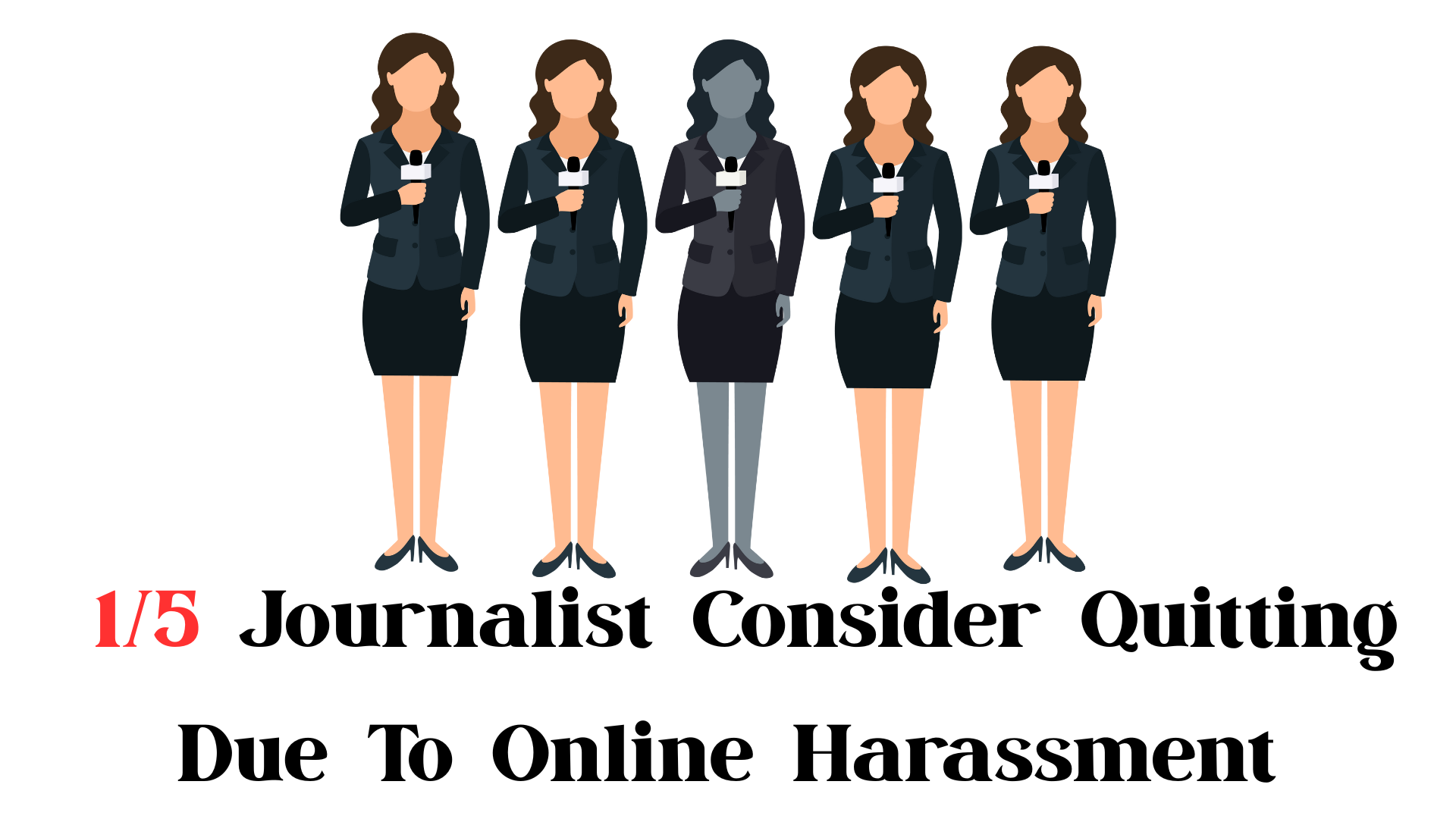
stalking online. This reality has led to 1 in 5 to reconsider their career path.
A recent campaign by the TV presenter Nicola Thorp and MP Jess Phillips for the police nationwide to release the identity of online stalkers, some in the media were doubtful that the police were technologically behind.
Rebecca Whittington is the Online Safety Editor at Reach plc, one of the first people given the role, and while things are certainly not the same as they were when she started, she highlighted that in recent years the industry is moving in the right direction.
Online resilience training for journalists has been implemented in the UK’s top Journalism courses to ensure future journalists are equipped with skills to combat online harm.
Jenny Kean, a retired Journalism MA course leader and Online Safety Researcher, said responsibility needs to be placed on the social media platforms to moderate themselves and assist in any investigations of online harassment and stalking.
Post a comment